
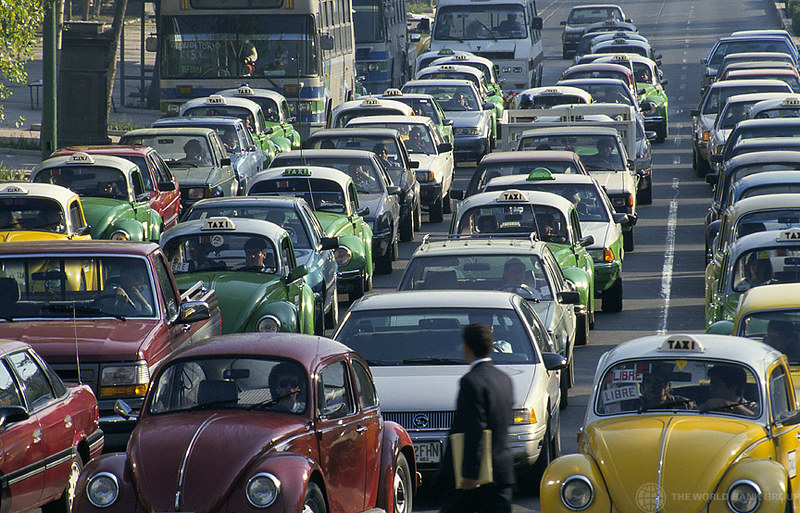
Armenia’s capital is preparing for significant transportation reforms as officials seek solutions to worsening traffic conditions across the city. The issue of Yerevan Traffic Congestion has become one of the biggest urban challenges facing the capital, with rising vehicle ownership, rapid economic growth, and increasing commuter demand putting unprecedented pressure on the road network.
In response, Yerevan City Hall is developing a comprehensive strategy that could introduce restrictions on private passenger vehicles while expanding dedicated public transport lanes. The initiative is expected to reshape how residents move around the city over the coming years.
Why Yerevan's Traffic Problem Is Growing
Traffic congestion has become a daily reality for many residents of Yerevan. Long queues during peak hours, slower travel times, and increased fuel consumption have affected both private motorists and public transportation users. The primary driver behind Yerevan Traffic Congestion is the sharp increase in vehicle ownership. Armenia's economic growth over recent years has enabled more households to purchase cars, resulting in thousands of additional vehicles entering the capital's roads. As a result, infrastructure that was designed for a smaller vehicle population is now struggling to cope with current traffic volumes.
Economic Growth Brings New Transportation Challenges
Economic expansion has delivered many benefits to Armenia, including higher consumer spending and improved living standards. However, one side effect has been a significant increase in private car usage. The rise in vehicle ownership has contributed directly to Yerevan Traffic Congestion, particularly in central districts where road space is limited. Major arteries connecting residential neighborhoods with commercial areas often experience severe bottlenecks during morning and evening rush hours.
Public Transport Also Feels the Impact
Congestion not only affects car owners. Buses and other forms of public transportation frequently encounter delays because they share the same crowded roads. Officials believe that without dedicated infrastructure and traffic management reforms, public transport services will continue to struggle with reliability and scheduling challenges.
New Traffic Management Center Leads the Effort
To address these issues, Yerevan authorities have established a specialized Traffic Management Center. The organization is staffed by transportation experts tasked with analyzing traffic patterns and developing practical solutions. The center is currently conducting pilot studies to monitor vehicle movements entering and leaving the city. These studies are expected to provide critical data that will guide future policy decisions aimed at reducing Yerevan Traffic Congestion.
Data-Driven Planning
Unlike previous approaches, the new strategy focuses heavily on traffic analysis and forecasting. By understanding where congestion occurs and how vehicles move through the city, planners can identify the most effective interventions. The findings are expected to help determine future road improvements, parking infrastructure, and vehicle management policies.
Learning from European Cities
Yerevan is also examining successful transportation models used across Europe. Many European cities have reduced congestion by prioritizing public transportation and limiting private vehicle access in key urban zones. Officials believe similar approaches could significantly reduce Yerevan Traffic Congestion while improving mobility and environmental sustainability.
Public Transport Lanes and Vehicle Restrictions
One of the most significant proposals under consideration is the expansion of dedicated public transport lanes. These lanes would allow buses to operate more efficiently and maintain reliable schedules regardless of overall traffic conditions.
Prioritizing Public Transportation
Dedicated bus lanes are expected to improve travel times and encourage more residents to choose public transportation instead of private vehicles. Officials argue that stronger public transport systems are essential if the city hopes to reduce Yerevan Traffic Congestion in the long term.
Possible Restrictions on Private Cars
City leaders have also indicated that restrictions on passenger vehicles may become necessary. These measures could include limited access zones, parking controls, or other traffic management mechanisms designed to reduce vehicle numbers in heavily congested areas. The goal is not to eliminate car usage but to create a more balanced transportation system that prioritizes efficiency and sustainability.
What Happens Next?
Authorities expect preliminary findings from ongoing traffic studies to be available by September and October 2026. These results will help shape the final transportation reform package. Implementation of major changes is expected to begin in 2027, potentially marking one of the most significant transportation overhauls in Yerevan’s modern history. For readers interested in automotive industry developments, mobility trends, and transportation news across the region, visit AsiaCarGroup for more insights and updates.
Conclusion
The challenge of Yerevan Traffic Congestion has reached a critical stage, prompting city leaders to pursue ambitious reforms. Through a combination of public transport improvements, dedicated bus lanes, parking reforms, and possible vehicle restrictions, Yerevan aims to create a more efficient and sustainable transportation network. If successful, these measures could dramatically improve mobility, reduce travel times, and enhance the quality of life for residents throughout Armenia’s capital.
Share Your Opinion
Do you think dedicated bus lanes and restrictions on private vehicles are the right solution for Yerevan’s traffic problems? Share your thoughts in the comments and join the conversation about the future of transportation in Armenia.