

In 2025, Armenia vehicle imports are undergoing a significant transformation. Government policies, strong market demand, and expanding EV infrastructure are all accelerating a shift toward hybrids and full electric vehicles. Here’s what’s driving the change—and what to expect in the months ahead.
Zero-Duty Quotas Fuel Electric Car Uptake
A key policy move underpinning the shift in Armenia vehicle imports is the annual allocation of a zero-customs-duty quota of 8,000 electric vehicles. Of these, 5,000 units are reserved for individuals, legal entities, and independent importers, while the remaining 3,000 are allocated to licensed dealerships. This accessible split encourages both private buyers and businesses to participate. With such substantial duty savings, electric vehicles are now a compelling alternative to traditional imports.
VAT Exemption Extends to 2026
To further incentivize cleaner transportation, Armenia has continued its value-added tax (VAT) exemption on electric vehicle imports, now scheduled to remain in effect through 2026. This dual waiver of VAT and customs duties on EVs is a powerful driver pushing Armenia vehicle imports toward a more sustainable mix.
Electrification Momentum & Consumer Shifts
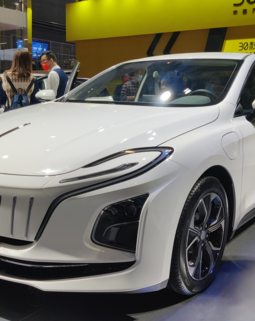
Combined government incentives and rising e-mobility awareness have sparked a surge in Armenia vehicle imports, especially for electrified models. As of early 2025, Armenia is seeing around 22 electric vehicle deliveries per day. Buyers cite benefits like reduced maintenance costs—charging a car now costs significantly less than fueling a combustion engine—and improved environmental impact. With hybrid and electric prices ranging between $20,000 and $45,000, these vehicles appeal not only to wealthy individuals but increasingly to middle-class families.
Expanding EV Infrastructure & Eco-Friendly Strategy
Parallel to import incentives, Armenia has witnessed major growth in charging infrastructure. Companies are rolling out fast and ultra-fast AC and DC charging stations across Yerevan, surrounding regions, and along key highways. These improvements support the Armenia vehicle imports trend by reassuring new EV owners of long-term viability. On the policy front, Armenia's electrification commitment aligns with goals to transition its government fleet to electric vehicles and to phase out fossil-fuel cars by 2040—consistent with global environmental declarations.
What These Trends Mean for the Market
The combination of financial incentives, accessible quotas, and expanding infrastructure puts Armenia vehicle imports on a green trajectory. As hybrids and EVs gain popularity, the auto market is adjusting accordingly—dealerships are stocking more models, and consumers are becoming increasingly receptive to sustainable choices.
Tips for Prospective Buyers:
-
Leverage the zero-duty quota while available; monitor allocation status.
-
Explore flexible financing options—many dealers offer favorable terms for EV purchases.
-
Evaluate local charging options when choosing which model to import.
Curious about the latest hybrid or electric models arriving in Armenia? Check out Asia Car Group’s portal for updates and listings.
Are you considering importing a hybrid or EV into Armenia in 2025? Share your thoughts or questions below—your insights could help others navigate the evolving Armenia vehicle imports landscape with confidence!