

Yerevan, Armenia’s bustling capital, is facing what officials are calling a traffic crisis. Prime Minister Nikol Pashinyan announced the formation of a special emergency task force on October 16, 2025, to address the worsening congestion caused by the sharp rise in car imports and inadequate city infrastructure.
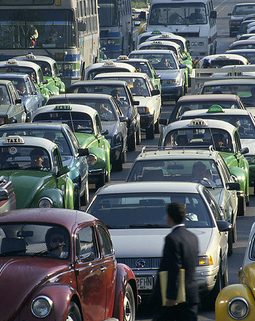
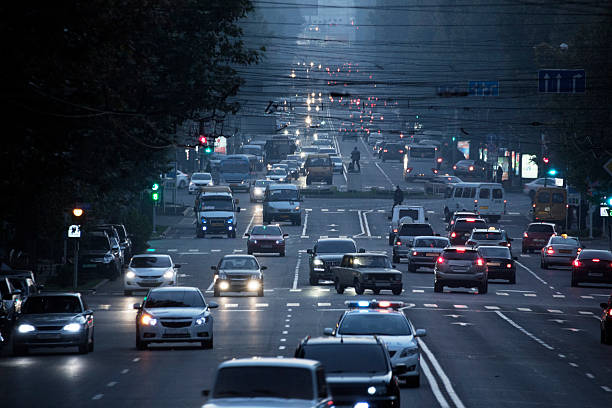
Speaking during a Cabinet meeting, the Prime Minister said that the number of cars entering Yerevan has reached an unsustainable level. He personally witnessed the congestion in the city center around 6:20 p.m., describing the situation as so severe that even bicycles couldn’t move through the streets.
“We have a real problem related to the number of cars,” Pashinyan said. “If vehicles keep being brought in, we must clearly understand where they are supposed to go.”
Government Launches Crisis Task Force
To tackle this growing challenge, the Prime Minister has directed the Ministry of Internal Affairs, the Ministry of Territorial Administration and Infrastructure, and Yerevan City Hall to form a crisis response team. The task force will systematically study the causes of traffic congestion and propose both short-term and long-term solutions.
Pashinyan described the current traffic jams in downtown Yerevan as “horrendous,” stressing that the issue is no longer just about vehicle flow — it has psychological and social implications for residents.
“These traffic jams affect people’s nerves,” he said. “They go home irritated, go online, and that negative energy spreads further. This is a real crisis. We cannot allow such a situation to continue—it’s turning into chaos.”
Impact of Car Imports on Urban Mobility
Over the past few years, car imports to Armenia have surged dramatically, partly due to relaxed import regulations and the rising affordability of used vehicles. However, this growth has far outpaced the development of road networks, parking facilities, and public transport infrastructure in Yerevan.
Experts note that Yerevan’s city center, with its narrow Soviet-era roads and limited parking, was not designed to handle the current vehicle volume. As a result, daily commutes have become longer and more stressful, with traffic jams now lasting for several hours during peak times.
The government’s newly formed task force is expected to explore measures such as improving public transportation, expanding road capacity, introducing parking regulations, and controlling the inflow of imported vehicles to the city.
Push for Alternative Transportation
Prime Minister Pashinyan also emphasized the potential of alternative mobility solutions, including bicycles and electric bikes, to ease the pressure on city roads.
“There are electric bikes now that let you ride uphill without much effort. It’s better to sweat a little than to sit for hours in traffic and get frustrated,” he added, calling for a cultural shift toward eco-friendly urban mobility in Armenia.