


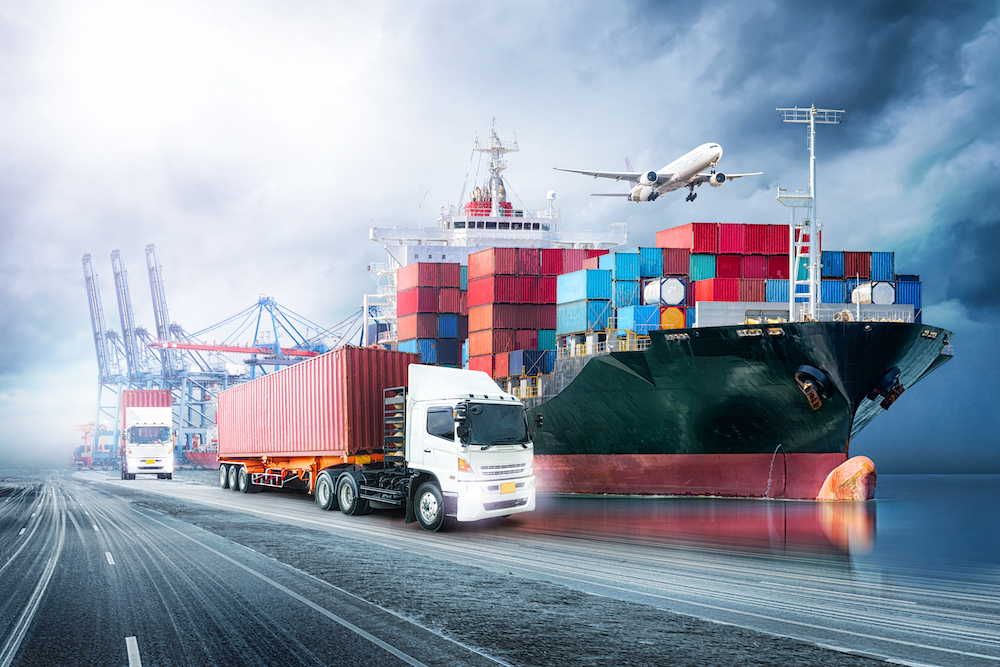
In Armenia, the concept of smart logistics Armenia is unlocking new ways to move goods and people across Yerevan and the broader urban landscape. As delivery demand rises and traffic grows, logistics firms are adopting technology and urban strategies that alter not just freight systems but how cities function.
The urban pressure and why logistics matter
Yerevan’s roads face increasing congestion, and the burden of last-mile delivery—from e-commerce orders to courier services—is a rising source of vehicles, emissions and complexity. With smart logistics Armenia, the focus shifts to optimisation: using data, routing software and micro-fulfilment nodes so fewer trips and fewer delays help everyone. Logistics firms are moving beyond seeing freight as separate from urban mobility and instead as part of a unified transport ecosystem.
Digital tools driving logistics change
Key to smart logistics Armenia is the adoption of digital tracking, AI routing and real-time fleet management. Armenian logistics providers now monitor vehicle location, traffic flows and demand patterns, enabling them to group deliveries, assign optimal trucks or vans and reduce idle time. For cities, fewer empty miles mean fewer trucks clogging neighbourhoods and more efficient movement overall.
In parallel, platforms are emerging that link delivery fleets and urban transport infrastructure, enabling goods and public mobility to share resources—parking spaces, charging stations and even data flows. Integrating freight-mobility speaks directly to improving Yerevan’s transport outcomes.
Last-mile innovation and micro-hubs
The shaping of smart logistics Armenia is particularly visible in last-mile delivery. Micro-fulfilment hubs—small warehouses or locker systems located close to dense residential zones—reduce the distance and road impact of final courier trips. Combined with smaller electric vans or cargo bikes, these hubs change the face of urban delivery. As consumers order more online, the logistics spent in cities becomes visible—and smarter systems are reducing its footprint.
These innovations also tie into the mobility ecosystem: the same corridors used by ride-hailing, public transport and freight can be managed holistically so that forecourts, loading spaces and pedestrian routes are optimized together.
Challenges and systemic growth
Despite the promise of smart logistics Armenia, questions remain. The country’s landlocked geography, infrastructure gaps and legacy vehicle fleets affect costs and speed. Moreover, urban logistics must align with transport policy—zoning, parking regulation and digital infrastructure matter. Scaling the benefits across the country, not just the capital, will be a future step.
However, Armenia’s logistics market is growing modestly but steadily. As the freight sector expands and technology penetration increases, smart logistics Armenia becomes less of a concept and more of a standard for delivery and urban transport alike.
The city must adapt alongside logistics
For Yerevan to reap the full rewards of smart logistics Armenia, city planners, transport authorities and logistics firms must coordinate. Urban policies that encourage micro-hub locations, shared loading zones, off-peak delivery windows and incentives for low-emission delivery fleets will amplify benefits. The platform economy (services like AsiaCarGroup) shows how mobility services and vehicle platforms can adapt to new transport demands—and logistics platforms can follow that model.
As Armenia develops its smart mobility ecosystem, smart logistics Armenia sits at the intersection of freight, urban transport and data-driven infrastructure. The next decade could see less crowded streets, more efficient cities and a logistics approach in Yerevan that others watch closely.
What do you think about the impact of smart logistics Armenia on how cities move people and goods? Share your insights in the comments below — your perspective could shape the next innovation in Armenian urban mobility.